
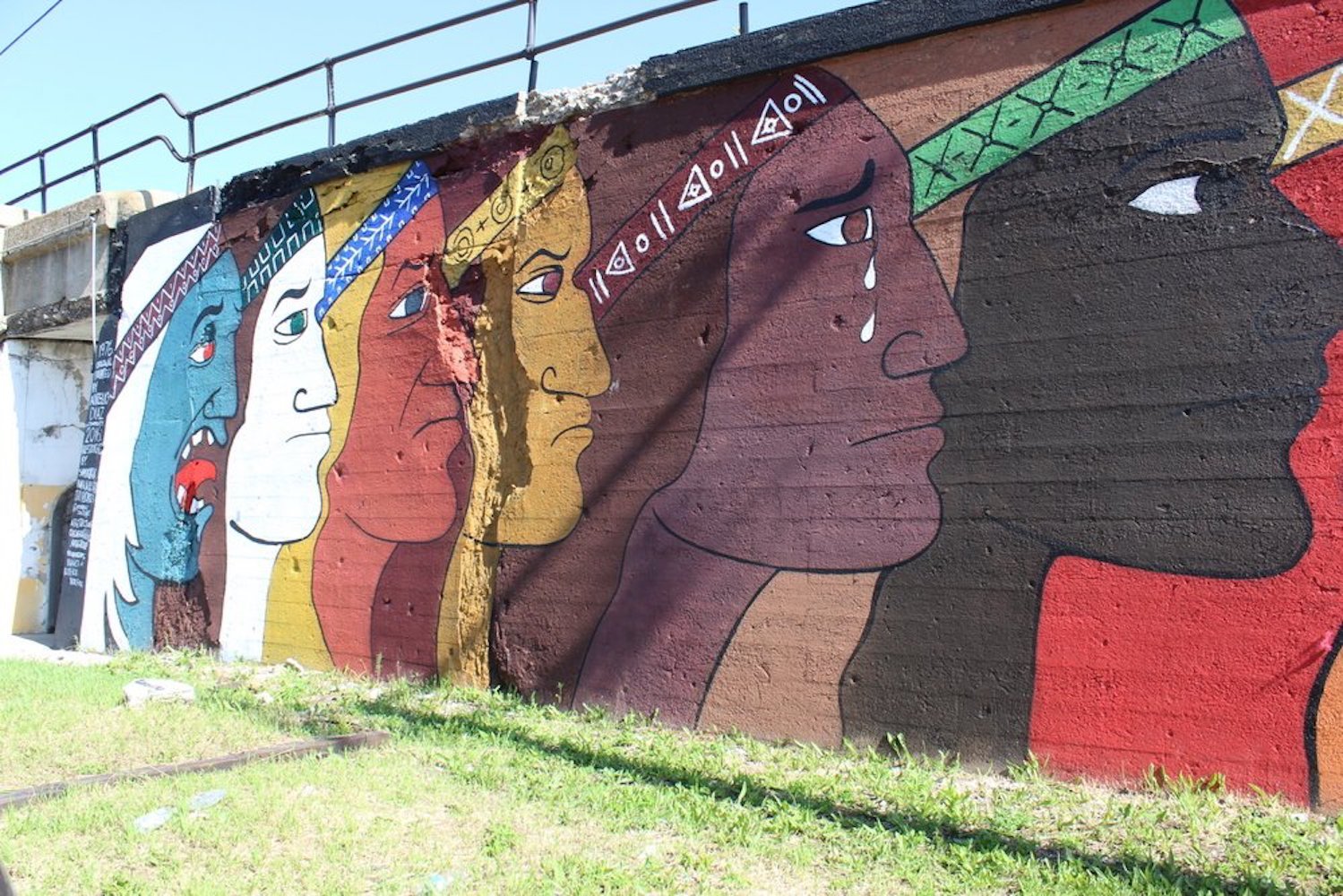
Cities are more than just physical infrastructures of roads, buildings, and transportation—they are living cultural organisms. Within their streets and plazas, a silent dialogue constantly takes place through the presence of public art. From monumental sculptures to small murals tucked into alleyways, public art transforms urban spaces into sites of expression, memory, and identity. Unlike gallery art, which is confined to private or institutional spaces, public art is democratic: it belongs to everyone. Yet beneath its accessibility lies a hidden language, one that communicates values, stories, and messages that may not be immediately obvious.
In today’s fast-paced urban life, many passersby glance at public art without fully realizing its significance. However, these works are more than aesthetic decoration; they act as cultural texts that shape how people experience and interact with the city. By exploring the hidden language of public art, we uncover the layers of meaning that make urban spaces not just functional but deeply human.
The Role of Public Art in Cities
Public art serves multiple roles within cities. At the most basic level, it beautifies public spaces, breaking the monotony of concrete landscapes. Sculptures, murals, and installations bring color and imagination to otherwise utilitarian environments. But beyond decoration, public art functions as a tool of communication and collective memory.
Statues often commemorate historical figures, events, or struggles, reinforcing civic identity. Murals may highlight social issues, give voice to marginalized communities, or celebrate local culture. Temporary installations provoke thought, engaging passersby in conversations about politics, environment, or technology. Each piece of public art contributes to shaping the cultural landscape of the city, influencing how citizens connect with their surroundings and with each other.
Public Art as a Reflection of Identity
One of the most powerful aspects of public art is its ability to reflect and reinforce community identity. In multicultural cities, murals often celebrate ethnic diversity, telling stories of migration, resilience, and belonging. A neighborhood mural can act as a cultural anchor, reminding residents of shared heritage while educating outsiders about local traditions.
For instance, Chicano murals in Los Angeles are not just art—they are political and cultural statements affirming Mexican-American identity. Similarly, Indigenous artworks incorporated into urban spaces honor histories often erased by colonial narratives. Public art, therefore, is a mirror that reflects not just what a city looks like but who lives there, what they value, and how they want to be remembered.
The Political Language of Public Art
Public art is rarely neutral. Throughout history, it has been used as a political tool to assert power, shape narratives, and influence perception. Monumental statues erected in city centers often serve to legitimize authority, celebrate national heroes, or reinforce dominant ideologies. These works communicate power through scale, symbolism, and permanence.
At the same time, public art can act as resistance. Street art and graffiti frequently subvert official narratives, reclaiming space for marginalized voices. In authoritarian regimes, even subtle artistic interventions in public space can carry immense risk and meaning. Thus, the hidden language of public art often lies in the tension between official and unofficial, sanctioned and unsanctioned, permanent and ephemeral.
Symbolism and Hidden Messages
Every piece of public art carries layers of symbolism. Colors, forms, and placement all contribute to meaning. A mural painted on the wall of a school may symbolize hope, education, and the future, while a statue placed in a square may represent national pride or historical trauma.
Some works deliberately embed hidden messages. Artists may use symbols recognizable only to local communities, transforming art into a coded language of belonging. Others employ irony or ambiguity, inviting viewers to question what they see. In this way, public art becomes an interactive text, requiring interpretation and engagement from the audience.
The Transformative Power of Murals
Murals are among the most dynamic forms of public art. Unlike statues, which often honor established history, murals can rapidly respond to contemporary events. They transform blank walls into storytelling canvases, giving neighborhoods unique character.
During times of crisis, murals often become collective expressions of grief, resilience, or protest. After natural disasters, communities paint murals to commemorate loss and inspire recovery. During social movements, murals serve as rallying points, turning urban space into a platform for activism. The hidden language of murals lies in their immediacy and their connection to lived experience, making them powerful tools for both memory and transformation.
Public Art and Urban Space as Stage
Public art interacts with its environment, shaping how people move, gather, and experience urban space. Sculptures placed in plazas become meeting points, installations in parks invite play, and murals transform alleys into vibrant walkways. In this way, art does not just decorate space—it creates it.
Artists often use this interaction deliberately, designing works that respond to architecture, landscape, or community. A sculpture aligned with a skyline may emphasize a city’s aspirations; an installation in a neglected area may draw attention to inequality. The hidden language here lies in spatial relationships, where art and city form a dialogue that shapes behavior and meaning.
Controversies and Contestations
Because public art is so visible, it often sparks controversy. Debates over statues of colonial figures, for example, reveal how public art can perpetuate historical injustices. Calls to remove or replace such works highlight the evolving nature of public memory. Similarly, graffiti is often contested—celebrated as expression by some, condemned as vandalism by others.
These conflicts reveal the power of public art to provoke discussion about values, history, and identity. They remind us that cities are not neutral spaces but battlegrounds of meaning. The hidden language of public art becomes most visible when it sparks disagreement, forcing societies to confront uncomfortable truths.
Public Art in the Digital Age
In the age of social media, public art takes on new dimensions. Murals and installations are now designed not just for physical experience but also for digital sharing. Cities commission “Instagrammable” artworks that attract visitors and boost tourism. This shift raises questions about whether art is being reduced to a backdrop for selfies or whether digital amplification helps spread its messages to wider audiences.
Technology also enables new forms of interactive public art. Augmented reality installations, projection mapping, and digital murals turn cityscapes into living canvases. The hidden language of public art now includes digital codes, hashtags, and virtual interactions, expanding its communicative power.
The Future of Public Art
Looking forward, public art will continue to evolve as cities grow more diverse and technologically advanced. Future works will likely blend physical and digital elements, creating multisensory experiences. They will also engage more directly with issues such as climate change, urban inequality, and migration, making art not just a reflection of cities but an active participant in shaping their futures.
Community participation will play a larger role as well. Collaborative murals, co-created sculptures, and interactive installations empower residents to contribute to the cultural identity of their neighborhoods. The hidden language of future public art may be less about top-down authority and more about collective authorship.
Conclusion
Public art in urban spaces is far more than decoration—it is a living language. Through symbols, placement, and participation, it communicates identity, politics, memory, and emotion. It reflects who we are as communities while challenging us to confront what we value, remember, and aspire to become.
The hidden language of public art reveals that cities are not only built of steel and concrete but also of stories, expressions, and shared meanings. Whether monumental or ephemeral, sanctioned or subversive, public art shapes how we inhabit and imagine urban space. In understanding its language, we better understand ourselves, our histories, and our collective future.
