
Introduction
Technology is blurring the lines between humans and machines. Just a few decades ago, interacting with computers meant typing on keyboards or clicking a mouse. Then came touchscreens, voice assistants, and gesture recognition. Now, the next frontier is here: Brain-Computer Interfaces (BCIs).
BCIs allow direct communication between the human brain and external devices. Instead of speaking or typing, a person can control machines using only their thoughts. This revolutionary technology has the potential to transform healthcare, communication, entertainment, and even the way we work. By 2035, BCIs may be as common as smartphones today, creating a new era of human-machine collaboration.
In this article, we will explore what BCIs are, how they work, their applications, challenges, and the ethical dilemmas they raise.
What Are Brain-Computer Interfaces?
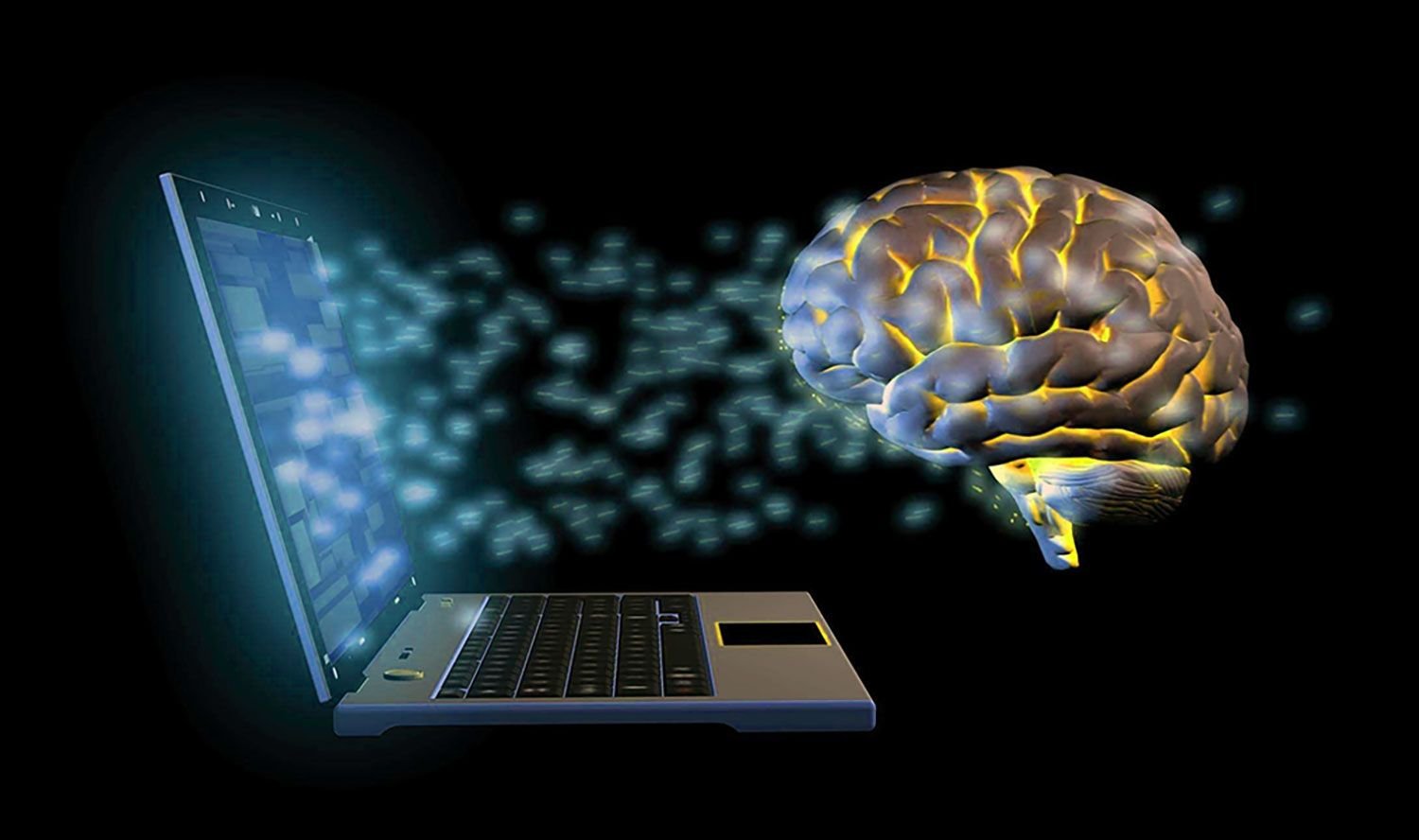
A Brain-Computer Interface (BCI) is a system that establishes a direct connection between the brain and a computer or other digital device. Unlike traditional input methods, BCIs bypass muscles and nerves, allowing the brain’s electrical activity to directly control external systems.
There are two main types of BCIs:
- Invasive BCIs – Require surgical implantation of electrodes in the brain. These provide precise signals but involve higher medical risks.
- Non-Invasive BCIs – Use sensors placed on the scalp, like EEG (electroencephalography) headsets, to detect brain activity. These are safer but less accurate.
How BCIs Work
The human brain generates electrical signals when neurons fire. BCIs capture these signals using electrodes, amplify them, and interpret them through algorithms. Once processed, the signals are translated into commands for computers, prosthetic limbs, or even digital avatars.
For example, a paralyzed patient wearing a BCI headset could think about moving their arm, and the system would translate that brain signal into movement of a robotic limb.
Applications of Brain-Computer Interfaces
BCIs are not just futuristic experiments—they are already being used in several fields.
Healthcare
- Restoring mobility: BCIs help paralyzed individuals control prosthetics or wheelchairs with their minds.
- Speech restoration: For patients who cannot speak, BCIs can decode neural signals and generate text or speech.
- Treatment for neurological disorders: BCIs are being explored for conditions like epilepsy, Parkinson’s disease, and depression.
Communication
Imagine sending a message or typing an email without lifting a finger. BCIs could enable thought-to-text communication, revolutionizing accessibility for people with disabilities and speeding up human interaction.
Work and Productivity
In the future, BCIs could allow seamless interaction with digital systems. Instead of clicking or tapping, workers could manipulate software directly with their thoughts. Designers could “imagine” 3D models, and programmers could code without typing.
Entertainment and Gaming
Gaming could become fully immersive, with players controlling characters using their minds. Virtual reality combined with BCIs would create experiences indistinguishable from real life.
Military and Defense
Some governments are exploring BCIs for controlling drones, enhancing soldier performance, and creating new forms of communication on the battlefield.
Benefits of Brain-Computer Interfaces
- Accessibility: BCIs open new possibilities for people with disabilities.
- Efficiency: Direct brain-to-computer interaction removes barriers like keyboards or voice commands.
- Immersion: Entertainment, education, and virtual collaboration become more natural.
- Medical breakthroughs: BCIs offer treatments for conditions that were once untreatable.
Challenges of BCIs
Despite the promise, BCIs face major challenges:
- Signal accuracy: Brain signals are complex, and interpreting them reliably is difficult.
- Invasiveness: Surgical implants carry risks of infection and rejection.
- Cost: Developing and deploying BCI technology is extremely expensive.
- Data privacy: Brain data is the most personal data of all. Who controls it?
- Ethical issues: The possibility of “mind reading” or manipulation raises deep concerns.
Ethical and Social Implications
As with all transformative technologies, BCIs raise important ethical questions:
- Should employers be allowed to monitor workers’ brain activity for productivity?
- How do we protect mental privacy when thoughts can be decoded?
- Could BCIs create a divide between enhanced humans and non-enhanced humans?
- What happens if hackers gain access to brain data?
These questions highlight the need for strict ethical guidelines and regulations as the technology matures.
The Future of Brain-Computer Interfaces
By the 2030s, experts predict that BCIs will move from laboratories to consumer markets. Non-invasive headsets will become more accurate, affordable, and comfortable. Medical-grade BCIs will restore functions for millions of patients. Advanced versions may even merge human intelligence with artificial intelligence, creating new forms of cognition.
Companies like Neuralink, Synchron, and Kernel are already leading the race. Governments are investing heavily in neurotechnology, seeing it as a strategic field. The future could bring a world where our thoughts directly shape digital environments.
Conclusion
Brain-Computer Interfaces represent one of the most exciting frontiers in human-machine collaboration. They promise to restore lost abilities, enhance communication, and create immersive digital experiences. At the same time, they raise profound questions about privacy, ethics, and what it means to be human.
The road ahead will be challenging, but the potential rewards are transformative. By the 2030s, BCIs may redefine our relationship with technology, merging mind and machine in ways once thought impossible.
