
Introduction
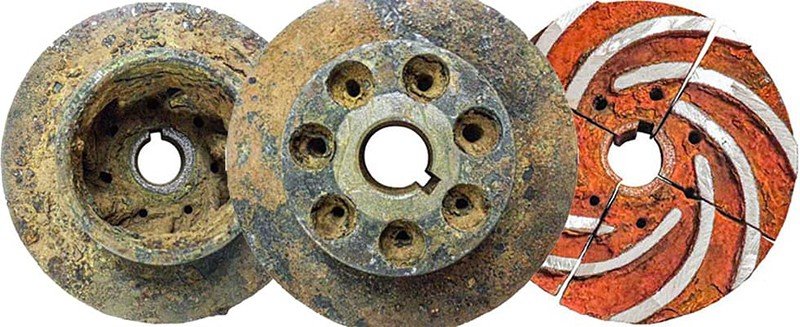
Corrosion is one of the most common causes of pump system failure worldwide. From municipal water networks to industrial processing plants, pumps are constantly exposed to liquids that can damage internal components if the wrong materials are used. Poor material selection not only reduces efficiency but also leads to expensive downtime, maintenance, and replacements.
This article explains the science of corrosion in pumping systems, the types of corrosion encountered, and how careful material selection can prevent failures, improve lifespan, and ensure reliable performance.
Understanding Corrosion in Pump Systems
Corrosion occurs when metals react with their environment, leading to gradual degradation. Pumps often operate in harsh conditions—handling chemicals, seawater, wastewater, or abrasive slurries—which makes them especially vulnerable.
Common Factors Contributing to Corrosion
- Chemical composition of the fluid (acids, salts, chlorides, alkalis).
- Temperature (higher temperatures accelerate corrosion rates).
- Velocity of the fluid (high speeds increase erosion-corrosion).
- Oxygen and pH levels (oxygen promotes rusting, low pH accelerates attack).
Types of Corrosion Found in Pump Systems
Uniform Corrosion
Occurs evenly across the surface of a component, common in carbon steel pumps exposed to water.
Pitting Corrosion
Localized small holes form on metal surfaces, especially in stainless steel exposed to chlorides.
Crevice Corrosion
Happens in narrow gaps, such as under gaskets or seals, where stagnant liquid allows aggressive attack.
Galvanic Corrosion
Occurs when two dissimilar metals are in contact within an electrolyte, leading to one metal corroding faster.
Erosion-Corrosion
A combination of mechanical wear and corrosion, common in slurry or high-velocity applications.
Stress Corrosion Cracking (SCC)
Cracks form in metal due to the combined effect of tensile stress and corrosive environments.
Materials Commonly Used in Pump Systems
Cast Iron
- Advantages: Inexpensive, durable, widely available.
- Limitations: Susceptible to corrosion in aggressive fluids, not ideal for chemicals or seawater.
Stainless Steel
- Advantages: Resistant to many corrosive environments, especially in water and mild chemicals.
- Limitations: Vulnerable to chloride-induced pitting and crevice corrosion.
Bronze and Brass
- Advantages: Excellent resistance to seawater corrosion, good machinability.
- Limitations: Can suffer from dezincification in certain waters.
Duplex Stainless Steel
- Advantages: Combines strength and corrosion resistance, better resistance to chloride stress corrosion.
- Limitations: More expensive, requires skilled welding.
Titanium
- Advantages: Exceptional resistance to seawater, chlorides, and aggressive chemicals.
- Limitations: High cost limits use to specialized industries.
Non-Metallic Materials (Plastics, Composites)
- Advantages: Resistant to many chemicals, lightweight, corrosion-proof.
- Limitations: Limited mechanical strength and temperature tolerance.
Selecting the Right Material for Pump Systems
Consider the Fluid Being Handled
- Water: Cast iron or stainless steel is often sufficient.
- Seawater: Bronze, duplex stainless steel, or titanium are preferred.
- Chemicals: Non-metallics, high-grade stainless steels, or special alloys may be necessary.
Temperature and Pressure
High temperatures accelerate corrosion. Materials like stainless steel or duplex alloys perform better under thermal stress.
Lifecycle Cost vs Initial Cost
Cheaper materials may seem attractive, but they often lead to higher maintenance costs. Investing in corrosion-resistant alloys can save money over the long term.
Compatibility with Other System Materials
Avoid galvanic corrosion by ensuring compatible materials are used in pipes, fittings, and pump components.
Strategies to Minimize Corrosion
- Protective coatings: Epoxy or ceramic coatings shield pump surfaces.
- Cathodic protection: Sacrificial anodes or impressed current systems protect metallic pumps in corrosive waters.
- Regular maintenance: Early detection of corrosion can prevent catastrophic failure.
- Proper design: Avoiding sharp corners, crevices, and stagnant zones reduces corrosion risks.
Applications Where Material Selection is Critical
- Oil & Gas: Pumps exposed to sour gas, seawater injection, or crude oils with corrosive components.
- Chemical Processing: Handling aggressive acids and solvents requires special alloys or plastics.
- Marine Industry: Continuous seawater exposure demands bronze, duplex, or titanium pumps.
- Mining and Slurry Applications: High abrasion and erosion demand hardened materials or coatings.
Conclusion
Corrosion is inevitable, but it can be managed through intelligent material selection. Choosing the right material depends on the fluid, environment, and operational requirements. While premium materials like duplex stainless steel or titanium may cost more initially, they often provide the best long-term protection and reliability.
By understanding corrosion mechanisms and aligning material choices with application demands, pump operators can significantly extend equipment lifespan, reduce downtime, and improve efficiency.
FAQs
Q1: Can cast iron pumps be used for seawater?
Not recommended. Cast iron corrodes quickly in saline environments. Bronze or stainless steel are better options.
Q2: What is the best material for chemical pumps?
It depends on the chemical. For strong acids, non-metallic pumps may be best, while stainless steel or special alloys suit milder chemicals.
Q3: Why is titanium used in some pump systems?
Titanium provides exceptional corrosion resistance in seawater and chemical environments, making it ideal for specialized industries.
Q4: How does galvanic corrosion occur in pumps?
When two dissimilar metals are in contact with a conductive liquid, one corrodes faster. This can be prevented by material compatibility or cathodic protection.
Q5: Is stainless steel always corrosion-proof?
No. While stainless steel resists many types of corrosion, it is vulnerable to pitting and crevice corrosion in chloride-rich environments.
