

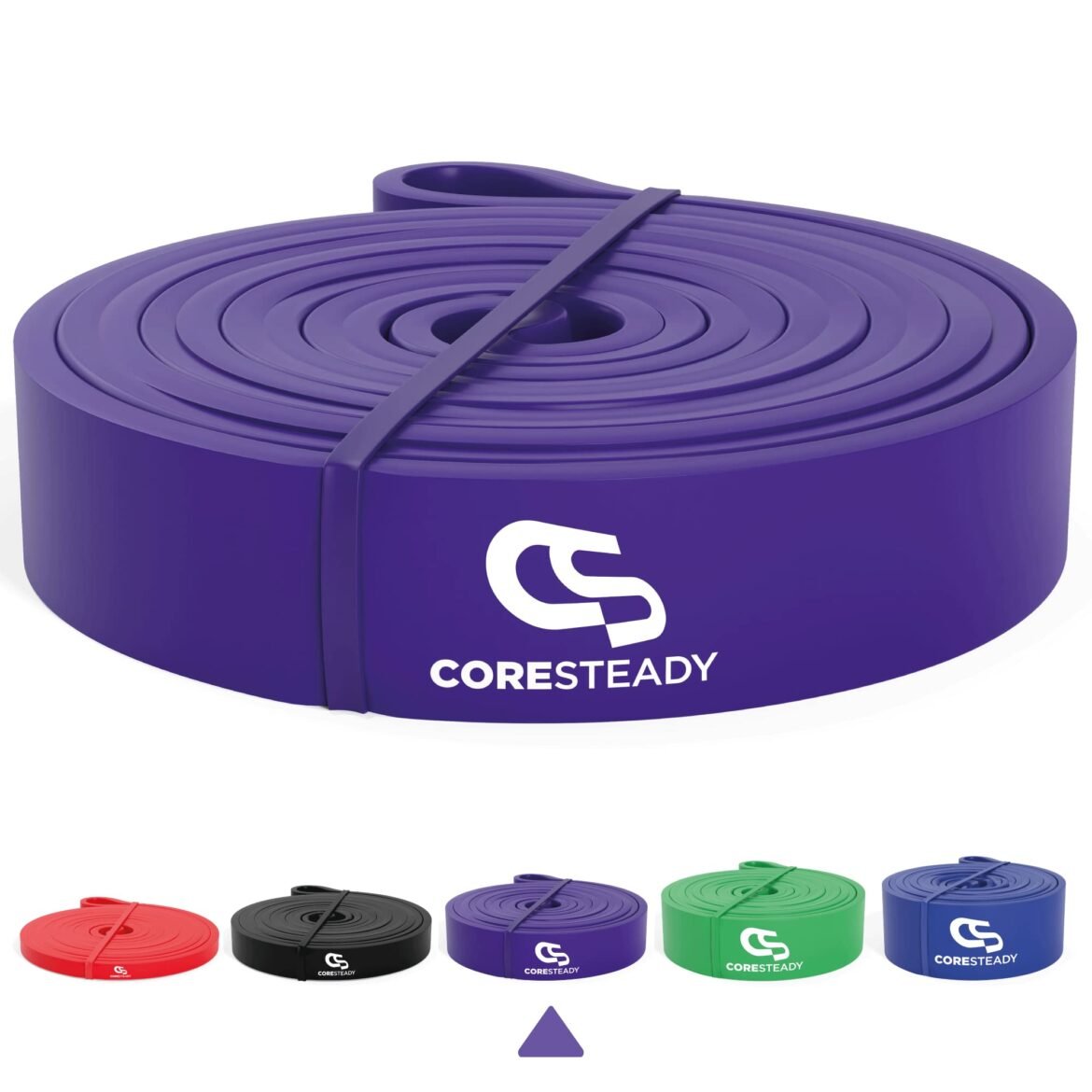
When considering whether pull-up assist bands are worth adding to your fitness routine, it helps to look at both the advantages and limitations. These versatile tools can transform how you approach pull-ups and upper‑body training, especially at home, but they also have some drawbacks depending on your goals and experience level.
Pros: Support, Progress, and Accessibility
One of the biggest benefits of pull-up assist bands is that they make pull‑ups and other challenging movements accessible to users at almost any fitness level. For beginners who struggle to lift their full body weight, the band provides support that lets you complete repetitions safely while still learning to pull up resist tension throughout the movement. This support builds confidence and allows progressive strength development without needing heavy machines.
Another major advantage is versatility. These bands are lightweight, portable, and easy to incorporate into a wide range of exercises beyond pull‑ups, such as band‑assisted rows, banded presses, or core movements. Because they create resistance through tension rather than added weight, they allow for continuous muscle engagement through the full range of motion. Over time, as you switch to thinner bands with less assistance, your muscles are steadily challenged to take on more of your body weight, supporting gradual progression toward unassisted pull‑ups.
Ease of use is another pro. Pull‑up resistance bands require minimal setup, making them ideal for home gyms, small spaces, or travel workouts. They also encourage safer training because they reduce reliance on momentum or improper form when attempting difficult reps, helping you learn proper technique and avoid common mistakes.
Cons: Assistance Limits and Plateaus
Even with all their benefits, pull‑up assist bands have limitations. Because the band reduces the effective load, your muscles may not experience the same level of stimulus as weighted pull‑ups or heavy resistance training, particularly once you’re stronger. For some users, this can lead to plateaus if the band resistance isn’t adjusted frequently or if additional training modalities aren’t introduced.
Another potential drawback is that the assistance provided by the band changes throughout the movement. The band provides more help at the bottom of a pull‑up and less at the top. While this can help with technique and range of motion, it doesn’t perfectly mimic the constant load experienced in traditional weighted exercises. Some advanced athletes may find this less optimal for maximal strength development.
Finally, relying exclusively on pull‑up assist bands without addressing supporting strength in the shoulders, core, and grip can limit overall progress. Bands are a great tool for learning to pull up resist body weight, but they should be part of a balanced routine that includes other strength‑building exercises.
Final Thoughts
Overall, pull‑up assist bands are worth it for most people, especially beginners or those training at home. They provide valuable support, help improve technique, and make challenging exercises achievable while you build strength. However, for advanced lifters seeking maximal strength gains or constant heavy loading, bands should be combined with other training tools and progressions. Used wisely, they can enhance your workout and accelerate progress toward unassisted pull‑ups and stronger upper‑body performance.