
Introduction
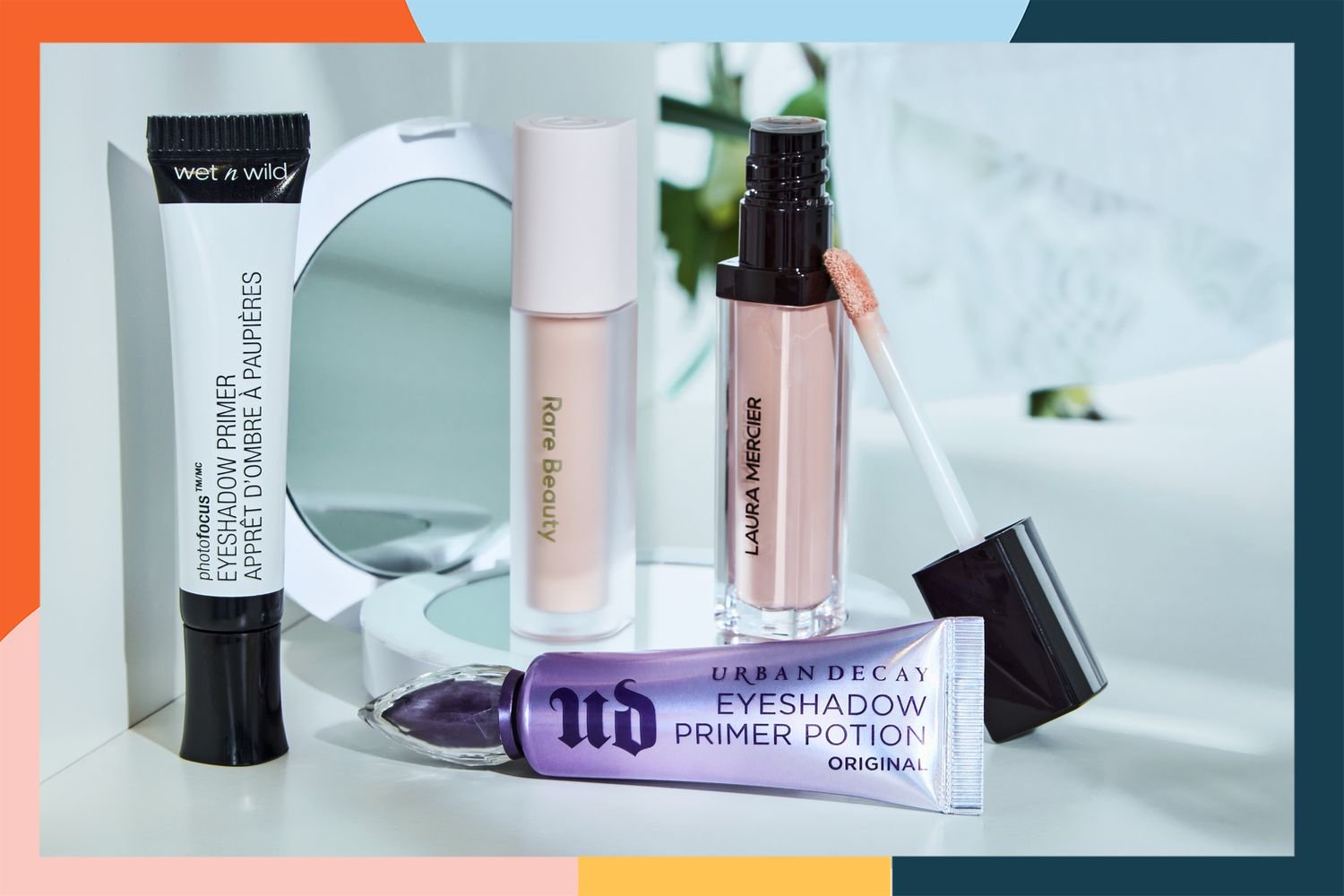
If you’ve ever applied eyeshadow only to see it crease within hours, or used a highlighter that fades too quickly, the problem might not be the product—it could be the lack of a good base or primer. Bases and primers are essential tools that enhance color payoff, extend wear time, and create a smooth canvas for makeup.
This article explains why bases and primers matter, what types to choose, and the best products to pair with eyeshadows and highlighters.
Why You Need a Primer or Base
- Longevity: Prevents makeup from fading throughout the day.
- Color payoff: Makes shades appear more vibrant and true to palette.
- Smooth application: Minimizes texture, fine lines, or uneven skin.
- Oil control: Reduces creasing on eyelids and keeps highlighter in place.
Eyeshadow Primers
Eyeshadow primers are specially designed for the delicate skin on your eyelids.
Benefits
- Prevents creasing caused by natural oils.
- Enhances pigment intensity.
- Helps blending appear seamless.
Best Types of Eyeshadow Primers
- Clear primers – Invisible, work with all shadow types.
- Tinted primers – Neutralize discoloration and even out eyelid tone.
- Sticky primers – Best for glitter and shimmer shadows.
Pro Tips
- Apply a thin layer to avoid cakiness.
- Allow it to set for 30 seconds before applying eyeshadow.
Eyeshadow Bases
While similar to primers, bases often have more color or creaminess.
Benefits
- Act like a “background shade” to boost pigment.
- Can transform powder shadows into more vibrant tones.
- Work especially well for bold, neon, or pastel looks.
Examples
- White bases to make colors pop.
- Nude or skin-tone bases for natural looks.
- Colored bases to intensify similar shades.
Highlighter Primers and Bases
Highlighters need the right surface to reflect light effectively.
Primers for Highlighters
- Dewy primers: Enhance glow and radiance.
- Hydrating primers: Prevent dryness, especially in winter.
- Luminizing primers: Contain subtle shimmer for an all-over glow.
Bases for Highlighters
- Liquid or cream bases: Add dimension and make powder highlighters last longer.
- Strobing creams: Work as both a moisturizer and glow enhancer.
Choosing the Right Product for Your Skin Type
- Oily skin: Matte primers control shine and prevent creasing.
- Dry skin: Hydrating and dewy primers add glow and moisture.
- Combination skin: Use mattifying primers on oily areas, dewy primers elsewhere.
- Sensitive skin: Look for fragrance-free and hypoallergenic formulas.
Application Tips
- Always apply primers to clean, moisturized skin.
- Use fingers or a small brush for even application.
- Less is more—too much primer can create buildup.
- For eyeshadow: set primer with translucent powder if using mattes.
- For highlighter: layer cream and powder for maximum glow.
Conclusion
The right base or primer can completely transform your makeup routine. Whether you want vibrant eyeshadow that lasts all day or a glowing highlighter that doesn’t fade, investing in a primer suited to your skin type and makeup style is key. Think of it as the foundation of your entire look—without it, even the best products may not shine.
FAQs
Q1: Can I use concealer as an eyeshadow primer?
Yes, but it may crease faster than a dedicated eyeshadow primer.
Q2: Do I need a primer for highlighter?
Not always, but using a dewy or luminizing primer enhances the glow.
Q3: What’s the difference between primer and base?
Primer preps the skin for long wear, while base enhances color intensity.
Q4: Should oily skin types avoid dewy primers?
Yes, as they may increase shine. Stick with mattifying formulas.
Q5: Can I use one primer for both eyeshadow and highlighter?
Generally no—eyelid primers are formulated differently than face primers.
